
Look for brewing capacity, ease of cleaning, brew strength options, counter space, long-term durability, and whether the machine fits your daily coffee routine.
Last updated:
Best Coffee Makers
Coffee Makers is a topic where buyers need clear, practical, and trustworthy guidance before making a decision. This guide brings together evaluation criteria, real-world buyer considerations, comparison points, trust signals, and frequently asked questions so readers can make a more confident choice.
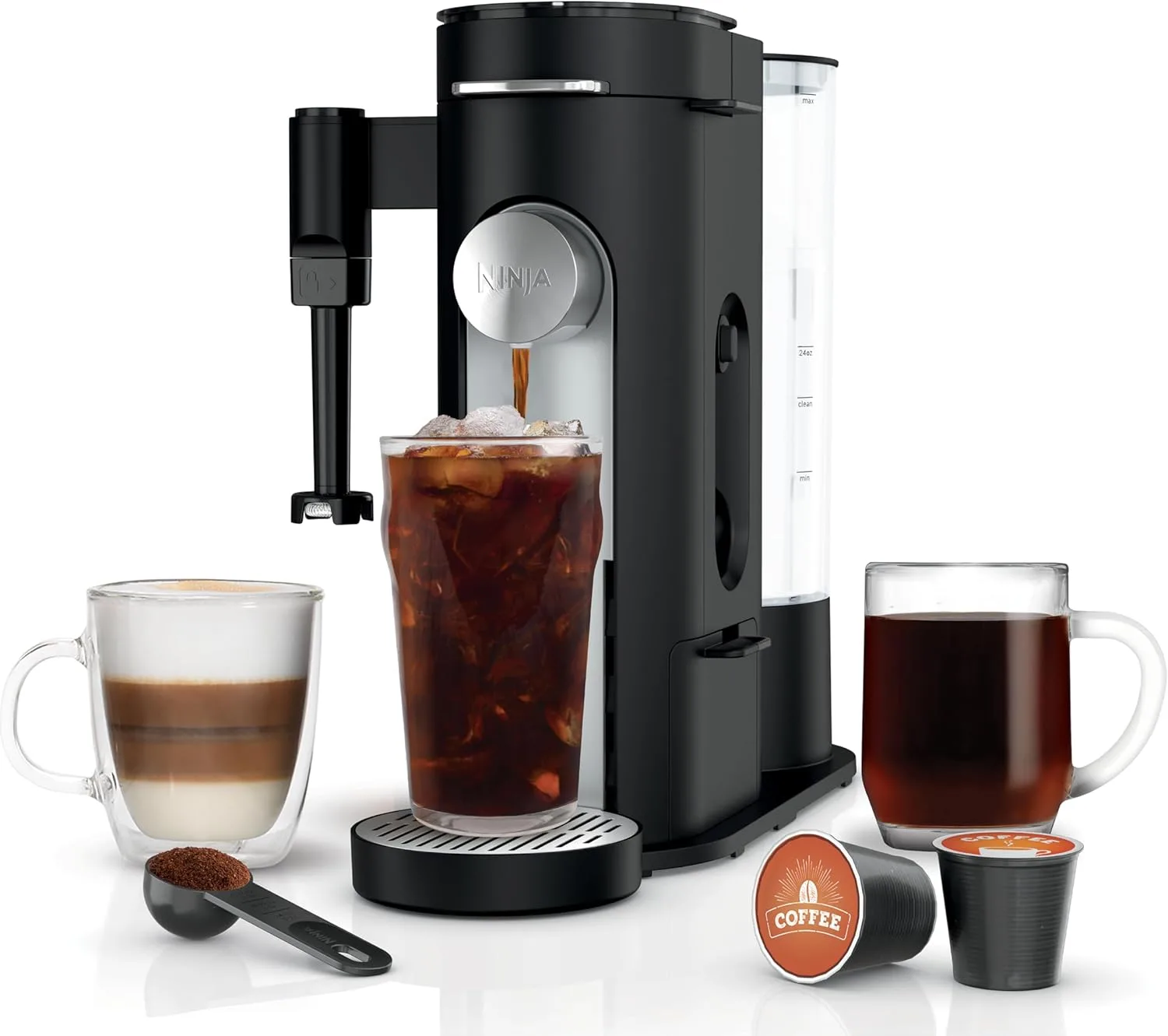
Who Should Choose Coffee Makers
Coffee Makers should be evaluated carefully because buyers often overlook the long-term impact of quality, durability, usability, maintenance requirements, and overall ownership experience. Understanding the most important evaluation factors helps buyers avoid low-quality options while focusing on features that deliver meaningful real-world value.
When analyzing Coffee Makers, it is important to compare construction quality, comfort, reliability, support, ease of use, maintenance expectations, long-term performance, and value for the price. Buyers should focus on practical real-world considerations rather than relying only on marketing claims or feature lists.
A useful section should also explain trade-offs clearly. Some choices may look appealing at first because they are cheaper, heavily promoted, or packed with features, but the better option is usually the one that solves the buyer's actual problem with fewer compromises. That means looking at how the product performs after repeated use, how easy it is to maintain, whether the benefits match the buyer's situation, and whether it creates confidence instead of uncertainty.
Buyer Fit
Coffee Makers is best for buyers who want a practical balance of value, performance, reliability, and long-term usefulness. It may not be the best fit for every situation, so buyers should consider how often they will use it, what problems they need solved, how much maintenance they can tolerate, and whether premium features actually improve the ownership experience.
Key Considerations
• Best-fit buyer profile
• Use cases
• Beginner vs advanced needs
• Budget vs premium considerations
• Who should compare alternatives
Buyers should ultimately prioritize Coffee Makers options that provide a strong balance between reliability, value, performance, durability, buyer confidence, and practical usability. High-quality options typically provide better long-term ownership experiences while reducing frustration, replacement costs, and maintenance concerns.
Common Problems Coffee Makers Should Solve
Coffee Makers should be evaluated carefully because buyers often overlook the long-term impact of quality, durability, usability, maintenance requirements, and overall ownership experience. Understanding the most important evaluation factors helps buyers avoid low-quality options while focusing on features that deliver meaningful real-world value.
When analyzing Coffee Makers, it is important to compare construction quality, comfort, reliability, support, ease of use, maintenance expectations, long-term performance, and value for the price. Buyers should focus on practical real-world considerations rather than relying only on marketing claims or feature lists.
A useful section should also explain trade-offs clearly. Some choices may look appealing at first because they are cheaper, heavily promoted, or packed with features, but the better option is usually the one that solves the buyer's actual problem with fewer compromises. That means looking at how the product performs after repeated use, how easy it is to maintain, whether the benefits match the buyer's situation, and whether it creates confidence instead of uncertainty.
Problems To Avoid
Common problems include buying based only on price, overlooking durability, ignoring maintenance requirements, choosing features that do not match the real use case, and failing to compare long-term value. A strong buying decision should reduce frustration, prevent wasted money, and make the final choice easier to trust.
Key Considerations
• Common buyer frustrations
• Mistakes to avoid
• Practical problems solved
• Long-term ownership concerns
• Signs of a poor choice
Buyers should ultimately prioritize Coffee Makers options that provide a strong balance between reliability, value, performance, durability, buyer confidence, and practical usability. High-quality options typically provide better long-term ownership experiences while reducing frustration, replacement costs, and maintenance concerns.
Important Buying Factors For Coffee Makers
Coffee Makers should be evaluated carefully because buyers often overlook the long-term impact of quality, durability, usability, maintenance requirements, and overall ownership experience. Understanding the most important evaluation factors helps buyers avoid low-quality options while focusing on features that deliver meaningful real-world value.
When analyzing Coffee Makers, it is important to compare construction quality, comfort, reliability, support, ease of use, maintenance expectations, long-term performance, and value for the price. Buyers should focus on practical real-world considerations rather than relying only on marketing claims or feature lists.
A useful section should also explain trade-offs clearly. Some choices may look appealing at first because they are cheaper, heavily promoted, or packed with features, but the better option is usually the one that solves the buyer's actual problem with fewer compromises. That means looking at how the product performs after repeated use, how easy it is to maintain, whether the benefits match the buyer's situation, and whether it creates confidence instead of uncertainty.
Decision Factors
The most important factors are quality, reliability, ease of ownership, practical performance, long-term value, buyer confidence, and whether the product solves the real problem better than competing alternatives. Buyers should pay close attention to materials, support, expected lifespan, usability, and the total cost of ownership.
Key Considerations
• Quality indicators
• Durability expectations
• Maintenance needs
• Value signals
• When to pay more
Buyers should ultimately prioritize Coffee Makers options that provide a strong balance between reliability, value, performance, durability, buyer confidence, and practical usability. High-quality options typically provide better long-term ownership experiences while reducing frustration, replacement costs, and maintenance concerns.
How We Evaluated Coffee Makers
Coffee Makers should be evaluated carefully because buyers often overlook the long-term impact of quality, durability, usability, maintenance requirements, and overall ownership experience. Understanding the most important evaluation factors helps buyers avoid low-quality options while focusing on features that deliver meaningful real-world value.
When analyzing Coffee Makers, it is important to compare construction quality, comfort, reliability, support, ease of use, maintenance expectations, long-term performance, and value for the price. Buyers should focus on practical real-world considerations rather than relying only on marketing claims or feature lists.
A useful section should also explain trade-offs clearly. Some choices may look appealing at first because they are cheaper, heavily promoted, or packed with features, but the better option is usually the one that solves the buyer's actual problem with fewer compromises. That means looking at how the product performs after repeated use, how easy it is to maintain, whether the benefits match the buyer's situation, and whether it creates confidence instead of uncertainty.
Evaluation Methodology
This evaluation should consider real-world usage conditions, durability expectations, comfort factors, maintenance requirements, feature reliability, long-term ownership considerations, and practical buyer expectations. Trustworthy recommendations require balancing both performance and long-term value.
Key Considerations
• Testing criteria
• Real-world evaluation factors
• Trust signals
• Limitations and buyer considerations
Buyers should ultimately prioritize Coffee Makers options that provide a strong balance between reliability, value, performance, durability, buyer confidence, and practical usability. High-quality options typically provide better long-term ownership experiences while reducing frustration, replacement costs, and maintenance concerns.
Brew Strength Considerations
Coffee Makers should be evaluated carefully because buyers often overlook the long-term impact of quality, durability, usability, maintenance requirements, and overall ownership experience. Understanding the most important evaluation factors helps buyers avoid low-quality options while focusing on features that deliver meaningful real-world value.
When analyzing Coffee Makers, it is important to compare construction quality, comfort, reliability, support, ease of use, maintenance expectations, long-term performance, and value for the price. Buyers should focus on practical real-world considerations rather than relying only on marketing claims or feature lists.
A useful section should also explain trade-offs clearly. Some choices may look appealing at first because they are cheaper, heavily promoted, or packed with features, but the better option is usually the one that solves the buyer's actual problem with fewer compromises. That means looking at how the product performs after repeated use, how easy it is to maintain, whether the benefits match the buyer's situation, and whether it creates confidence instead of uncertainty.
Why This Detail Matters
This concept matters because it fills an important gap in the buyer's understanding. When this detail is missing, readers may understand the basic product but still lack the context needed to make a confident decision. Adding this layer improves topical depth, practical usefulness, and semantic completeness.
Key Considerations
• Define Brew Strength
• Explain why it matters
• Connect it to buyer outcomes
• Add practical decision guidance
Buyers should ultimately prioritize Coffee Makers options that provide a strong balance between reliability, value, performance, durability, buyer confidence, and practical usability. High-quality options typically provide better long-term ownership experiences while reducing frustration, replacement costs, and maintenance concerns.
Thermal Carafe Considerations
Coffee Makers should be evaluated carefully because buyers often overlook the long-term impact of quality, durability, usability, maintenance requirements, and overall ownership experience. Understanding the most important evaluation factors helps buyers avoid low-quality options while focusing on features that deliver meaningful real-world value.
When analyzing Coffee Makers, it is important to compare construction quality, comfort, reliability, support, ease of use, maintenance expectations, long-term performance, and value for the price. Buyers should focus on practical real-world considerations rather than relying only on marketing claims or feature lists.
A useful section should also explain trade-offs clearly. Some choices may look appealing at first because they are cheaper, heavily promoted, or packed with features, but the better option is usually the one that solves the buyer's actual problem with fewer compromises. That means looking at how the product performs after repeated use, how easy it is to maintain, whether the benefits match the buyer's situation, and whether it creates confidence instead of uncertainty.
Why This Detail Matters
This concept matters because it fills an important gap in the buyer's understanding. When this detail is missing, readers may understand the basic product but still lack the context needed to make a confident decision. Adding this layer improves topical depth, practical usefulness, and semantic completeness.
Key Considerations
• Define Thermal Carafe
• Explain why it matters
• Connect it to buyer outcomes
• Add practical decision guidance
Buyers should ultimately prioritize Coffee Makers options that provide a strong balance between reliability, value, performance, durability, buyer confidence, and practical usability. High-quality options typically provide better long-term ownership experiences while reducing frustration, replacement costs, and maintenance concerns.
Single Serve Considerations
Coffee Makers should be evaluated carefully because buyers often overlook the long-term impact of quality, durability, usability, maintenance requirements, and overall ownership experience. Understanding the most important evaluation factors helps buyers avoid low-quality options while focusing on features that deliver meaningful real-world value.
When analyzing Coffee Makers, it is important to compare construction quality, comfort, reliability, support, ease of use, maintenance expectations, long-term performance, and value for the price. Buyers should focus on practical real-world considerations rather than relying only on marketing claims or feature lists.
A useful section should also explain trade-offs clearly. Some choices may look appealing at first because they are cheaper, heavily promoted, or packed with features, but the better option is usually the one that solves the buyer's actual problem with fewer compromises. That means looking at how the product performs after repeated use, how easy it is to maintain, whether the benefits match the buyer's situation, and whether it creates confidence instead of uncertainty.
Why This Detail Matters
This concept matters because it fills an important gap in the buyer's understanding. When this detail is missing, readers may understand the basic product but still lack the context needed to make a confident decision. Adding this layer improves topical depth, practical usefulness, and semantic completeness.
Key Considerations
• Define Single Serve
• Explain why it matters
• Connect it to buyer outcomes
• Add practical decision guidance
Buyers should ultimately prioritize Coffee Makers options that provide a strong balance between reliability, value, performance, durability, buyer confidence, and practical usability. High-quality options typically provide better long-term ownership experiences while reducing frustration, replacement costs, and maintenance concerns.
Coffee Makers FAQ
Coffee Makers should be evaluated carefully because buyers often overlook the long-term impact of quality, durability, usability, maintenance requirements, and overall ownership experience. Understanding the most important evaluation factors helps buyers avoid low-quality options while focusing on features that deliver meaningful real-world value.
When analyzing Coffee Makers, it is important to compare construction quality, comfort, reliability, support, ease of use, maintenance expectations, long-term performance, and value for the price. Buyers should focus on practical real-world considerations rather than relying only on marketing claims or feature lists.
A useful section should also explain trade-offs clearly. Some choices may look appealing at first because they are cheaper, heavily promoted, or packed with features, but the better option is usually the one that solves the buyer's actual problem with fewer compromises. That means looking at how the product performs after repeated use, how easy it is to maintain, whether the benefits match the buyer's situation, and whether it creates confidence instead of uncertainty.
Common Questions
- What features matter most?
- Which buyers benefit the most?
- How long should it last?
- Is it worth the price?
- What alternatives should buyers compare?
Key Considerations
• Common buyer questions
• Sizing or compatibility
• Durability
• Maintenance
• Value and alternatives
Buyers should ultimately prioritize Coffee Makers options that provide a strong balance between reliability, value, performance, durability, buyer confidence, and practical usability. High-quality options typically provide better long-term ownership experiences while reducing frustration, replacement costs, and maintenance concerns.
Final Verdict
Coffee Makers should be judged by how well it solves the buyer's real problem, how reliable it is over time, how easy it is to use or maintain, and whether the value justifies the cost. The strongest choice is usually the option that balances performance, trust, durability, comfort, and long-term ownership satisfaction rather than simply offering the lowest price or the longest feature list.